
There is a story going around Queen Creek business circles right now, and it is costing people money. It goes like this. AI has taken over search. Google is dying. The map pack is dead. Either chase the robots or give up.
I run That Social Geek, a marketing shop here in town, and I watch local search results for Queen Creek businesses every single week. The story is about one third true. AI really has taken over the top of the page. Fewer businesses really are getting seen. But almost every conclusion owners are drawing from that is wrong, and the wrong conclusions are the expensive part.
So let’s bust the myths one at a time.
Myth 1: Nobody sees the map pack anymore
What people think: AI answers now sit at the top of Google, so the map pack is buried and not worth chasing.
Here is what actually happens on the screen. When someone in Queen Creek searches for a service, Google’s AI answer often loads first. It is big. It pushes everything down. But scroll once and the map pack is sitting right there, same as always, with three local businesses, their stars, and a call button.
Now think about who is doing the scrolling. When it is 114 degrees in July and your AC quits, you are not having a thoughtful chat with a robot about the history of refrigerant. You type “ac repair near me,” you look at the map, you call the closest company with good stars. Same thing the night a monsoon cell drops a tree limb through your patio roof. The map pack is where the ready-to-buy people still click, because it is the fastest path from problem to phone call.
The searches that moved to AI are the research searches. The comparison shopping. The “is it worth it” questions. Those matter, and you want to show up in them. But the map pack still owns the moment when a Queen Creek resident needs someone today. Walking away from it means handing those calls to the three competitors who stayed.
Myth 2: Updating your Google Business Profile will tank you
What people think: my profile is ranking, so I should never touch it. Especially not the address.
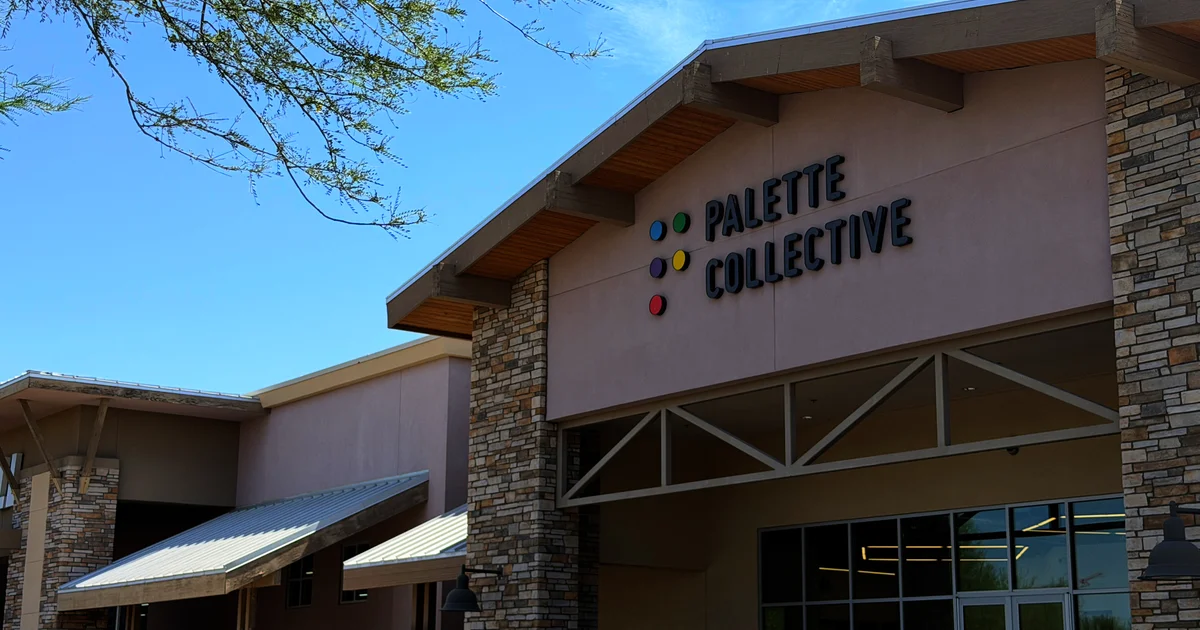
I just lived this one with a client. They moved one mile north on Ellsworth Road. One mile. Same road, same town, same customers. And they were genuinely scared to change the address on their Google Business Profile. What made it worse was the kind of move it was. They went from their own standalone building to a co-op center, one building full of businesses, each with its own suite number. Their fear was real and specific. Will Google get confused? Will we vanish? Will people see six other businesses at our address and give up?
Here is what we did instead of freezing. Two things. First, we rebuilt their website with actual depth. Real pages about what they do, who they serve, and where they are, written so both a person and an AI reading the page can tell exactly what the business is. Second, we updated the Google Business Profile to the new address, suite number and all, the day they moved.
Within a few weeks they were ranking right back where they had been. And because the new site had more to say, they now get more hits on their website every month than they did at the old location. The move they were afraid of ended up being the upgrade.
The real danger was never the address change. It was the mismatch. A profile showing the old address while customers drive to a building you left is how you lose people, collect a confused one-star review, and teach Google your information cannot be trusted. If you have moved anywhere in town, up Ellsworth, into a suite, wherever, update everything the day you move. Suite numbers do not scare Google. Stale addresses do.
Myth 3: You have to pick a lane, AI or Google
What people think: my budget is limited, so I either work on showing up in AI answers or I work on old-fashioned local SEO. Pick one.
This is the myth I hear most from smart owners, because it sounds like strategy. It is actually a false choice, and here is the part most people in my field will not say out loud. AI searches are rising and they will keep rising. I believe that completely. And it changes almost nothing about what you should do, because you do not get to hold back on SEO, local SEO, or reviews while you wait to see who wins. You keep making your business visible in every lane at once.
Why? Because AI is not reading some secret second internet. When ChatGPT or Google’s AI recommends a Queen Creek business, it is pulling from the same web pages, the same Google Business Profile, the same reviews, and the same local mentions that the map pack has always run on. The client on Ellsworth proved it. One rebuilt website made them easier to find in AI answers and brought their map ranking back. Same work. Both lanes.
Queen Creek makes this double duty worth more than it is in most towns. Look at what is happening at Ellsworth and Ocotillo right now. The Switchyard going up, new buildings on three corners of one intersection, rooftops filling in behind all of it. Thousands of new residents are arriving with zero loyalties. No family plumber. No dentist. No favorite anything. Half of them will ask AI who to call and half will search and tap the map, and you have no way of knowing which half your next customer is in. Show up in both.
Myth 4: Reviews matter less now that AI answers the questions
What people think: if a robot is giving the answers, star ratings are yesterday’s game.
Reviews got more important, not less. The map pack has always leaned on them. But now AI leans on them too, and harder. Ask an AI for the best barber or the best breakfast in Queen Creek and watch what it does. It quotes review counts. It paraphrases what reviewers said. It repeats the exact phrases your customers wrote, because those reviews are some of the only honest, specific, local text about your business that exists anywhere online.
That means every review is now doing two jobs. It nudges your map ranking, and it literally feeds the words an AI will use to describe you. A review that says “fixed our AC in Cortina in two hours during the July heat wave” is gold in both systems. So keep asking. Make it easy. And reply to every one, because your replies get read by the same robots.
The one thing to do differently starting today
Do a fifteen minute audit on yourself. Open an incognito window and search Google for what you sell, the way a customer would type it. “Bookkeeper queen creek.” “Emergency plumber near me.” See where you land in the map pack and what the AI answer says above it. Then open ChatGPT and ask it straight out to recommend a business like yours in Queen Creek and see if you are the answer.
Whatever you find, you now know which lane needs work, and none of the fixes require permission or a big budget to start. Update the profile. Add real depth to one page of your site. Ask three happy customers for a review this week.
If you got beat in both lanes, do not panic. The client on Ellsworth was invisible for exactly as long as it took to do the work. A few weeks later they were back, and busier than before.